Brands at a Glance
| Brand | Specialty | Official Status | Best For |
|---|---|---|---|
| Molten | Indoor volleyballs | NCAA Men’s Championship, USA Volleyball | Setters, indoor competition |
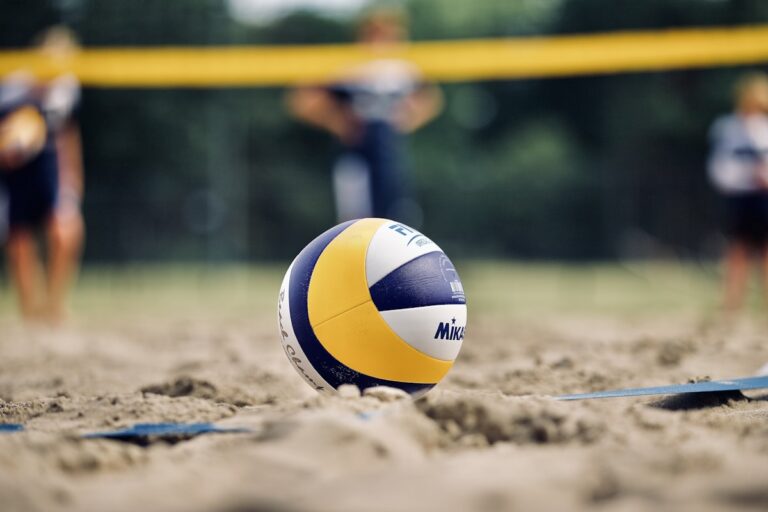
| Mikasa | Indoor volleyballs | FIVB, Olympic Games | Elite passing, international play |
| Wilson | Beach/outdoor balls | AVP Pro Beach Tour | Beach volleyball, grass courts |
| Nike | Apparel, shoes | Team customizer | Jerseys, court shoes, compression |
| adidas | Apparel, shorts | Club uniform provider | Women’s club uniforms, TechFit shorts |
| Under Armour | Protection, uniforms | Youth/college team packs | Knee pads, elbow sleeves, team gear |
Volleyball is a sport defined by feel. The sting of a hard-driven Mikasa on your forearms. The tacky grip of a Molten on a setter’s fingertips. The slap of a Wilson in the sand. At the elite level, two ball manufacturers rule the indoor game, while a quartet of apparel giants battle for the athlete’s body. This is your deep-dive guide to the brands powering the court, the sand, and the athlete in 2026.
The Ball Cartel: Two Titans of Touch
When it comes to the official indoor volleyball, the conversation starts and ends with two names: Molten and Mikasa. These two Japanese manufacturers control virtually every major competition on the planet. But they took completely different paths to get there.
Molten: The Setter’s Secret Weapon
Molten’s FLISTATEC line holds the contract as the exclusive official game ball of the NCAA Men’s National Collegiate Championship and the official ball of USA Volleyball. The specific model used in men’s competition is the FLISTATEC IV58L, while the IV50S is used in women’s play. Molten has maintained this partnership with USAV since 2019, and the contract remains active through the 2026 season.
The core differentiator is the surface technology. FLISTATEC balls use a hexagonal dimpled surface — hundreds of concave hexagons molded directly into the composite leather cover. This creates two specific advantages. First, the hexagons increase the surface contact area on the fingertips, giving setters a tackified grip that feels almost gecko-like when the palms get sweaty. Second, the micro-pockets between each hexagon channel air and moisture away from the fingers, maintaining consistent control even in humid gyms.
The FLISTATEC design also produces a distinct visual signature. The multi-color panel layout — often a swirl of blue, yellow, and white — creates a blur effect when the ball spins rapidly off a hitter’s hand. Setters rely on the tactile pause the surface provides, a fraction of a second of purchase that lets them guide the ball with precision rather than just deflection.
What to Know: If you are a setter, the Molten FLISTATEC is widely considered the best indoor volleyball for your position. The grippy surface rewards clean hand contact and forgives less-than-perfect moisture management. It is, however, slightly heavier than the Mikasa V200W, which can take adjustment for passers moving between ball types.
Mikasa: The Olympic Standard of Flight
Mikasa is the exclusive official game ball provider for the FIVB (Federation Internationale de Volleyball) and all Olympic indoor competitions. The current model is the V200W, which has been the standard since its introduction in 2020. Mikasa’s contract covers the FIVB World Championships, Nations League, and the Olympic Games — including Paris 2024 and the upcoming LA 2028 cycle.
The V200W represents a radical re-engineering of the volleyball. Traditional balls use an 8-panel or 12-panel layout. Mikasa’s V200W uses an 18-panel aerodynamic design with double-dimple technology — dimples on both the panel surfaces and within the glue seams. This reduces drag and creates a more stable, truer flight path through the air.
But here is the player experience that matters: because the surface is so smooth and the flight resists wobble, the V200W creates a distinct, almost strobe-like floating visual trail through the air. When a float server connects cleanly, the ball seems to hover and shift rather than decelerate. This demands impeccable platform mechanics from passers. The ball does not behave the way traditional balls do — it cuts through the air rather than pushing through it.
The iconic tri-color wavy stripe design is not just aesthetics — those panels help passers visually track spin orientation. The trade-off: the V200W surface is smoother than the Molten, and players report it feels slippery when wet if not dried between points.
What to Know: If you play internationally or aspire to Olympic-level competition, the Mikasa V200W is the ball you need to master. It is the official FIVB approved game ball. But be prepared for a learning curve — its unique flight characteristics make it one of the harder balls to pass cleanly, especially on float serves.
The Sand Specialist
Wilson: King of the Beach
Wilson does not compete for the NCAA or FIVB indoor contracts, but they dominate a different surface entirely. The Wilson AVP OPTX is the official game ball for the Association of Volleyball Professionals (AVP) pro beach tour and the standard for grass volleyball circuits across the United States.
The AVP OPTX is engineered specifically for outdoor play. The cover is a microfiber composite leather designed to absorb zero moisture — preventing the ball from turning into a heavy, waterlogged medicine ball in humid beach conditions. The pressure-retention bladder is optimized for variable outdoor temperatures, maintaining consistent bounce whether the air is 60 degrees or 95 degrees. The bright yellow optic color is designed for maximum visibility against sand, sky, and sun.
Wilson also produces the Pro Tour and Encore series for indoor training and recreational use, but these are not official match balls for NCAA or FIVB competition.
What to Know: If you play beach or grass volleyball, the Wilson AVP OPTX is the standard. It is the official ball used in AVP professional beach tournaments nationwide.
The Apparel Armorers
While Molten and Mikasa fight over the ball, Nike, adidas, and Under Armour compete for what the athlete wears. These three apparel giants take different approaches to the volleyball market.
Nike: Lightweight Speed Armor
Nike does not make competitive volleyballs. Their market is performance apparel and footwear. Through team customizers like The Graphic Edge, Nike supplies high school and college programs with custom jerseys and warm-ups. Their Nike Pro line of high-compression undershirts and spandex has become a cultural standard for the undershirt-and-spandex look among younger varsity athletes.
On the footwear side, Nike’s specialized court shoes are engineered for multi-directional movements, torsional rigidity, and impact protection on hardwood. Outside hitters and liberos who need explosive speed often choose Nike for its lightweight construction and responsive cushioning.
What to Know: Nike is the go-to for performance footwear and compression gear. Their team customization program makes them a top choice for high school and college uniform packages.
Adidas: The Three-Stripe Club Circuit
Adidas has a commanding presence in the women’s club volleyball uniform circuit. They are primary outfitters through custom jersey packages used by clubs nationwide. The adidas TechFit 3-inch and 4-inch volleyball shorts are structural staples of the women’s club game. These shorts integrate moisture-wicking, body-hugging four-way stretch fabric that has become the de facto on-court uniform bottom. The 3-inch inseam is a specific and critical detail for female athletes who prioritize mobility without excess fabric.
What to Know: If you are a club player, especially in women’s volleyball, adidas is likely already in your gear bag. Their TechFit shorts and custom jersey programs dominate the club circuit.
Under Armour: Protecting the All-Around Athlete
Under Armour focuses on complete team uniform packages for youth, high school, and collegiate levels. They often bundle jerseys, shorts, and protective gear in a single procurement, making them a convenient choice for program directors.
Under Armour’s key technical differentiator is their padding technology. Their knee pads and elbow sleeves use a flexible, gel-like material that hardens on impact. This allows for a slimmer profile during movement while providing protection when diving. It is gear designed to promote a dive-without-fear mentality for all-around players.
What to Know: Under Armour is the strongest option for team packages that bundle uniforms with protective gear. Their impact-hardening knee pads are a genuine innovation in player protection.
Which Brand Is Right for You?
The best brand depends on your position, your surface, and your priorities:
- Setters overwhelmingly prefer Molten for its hex-grip surface and tactile control on sweaty hands.
- Passers and servers who face float serves need to master the Mikasa V200W’s unique aerodynamic flight.
- Beach players should train with the Wilson AVP OPTX to match tournament conditions.
- Position players looking for footwear should start with Nike’s court-specific designs.
- Club and high school programs looking for uniform packages will find strong options from adidas and Under Armour.
As we move through the 2026 club and national team season, these brand allegiances remain ironclad. The NCAA still plays on Molten. The FIVB still serves on Mikasa. The AVP still digs on Wilson. And the athletes still train, compete, and dive in Nike, adidas, and Under Armour.
Which ball does your body feel most dialed in with — the tactile control of the Molten, the pure flight of the Mikasa, or the sun-baked grip of the Wilson? Drop your position and your pick below.
Train the mental side, too
- Mental Toughness by Age — the right training for every stage
- Bounce Back From a Losing Season — the reset playbook
Get 1 Mental Training Drill Every Week
Free. Unsubscribe anytime.
VBallStars.com
Mental Training for Volleyball
Published by VBallStars.com — founded by a former college athlete and volleyball dad who spent nearly a decade in the gyms, watching his daughter come up through top clubs from North Texas to Atlanta, GA, and noticed the mental side was the last thing coached, if at all. Read the full story →