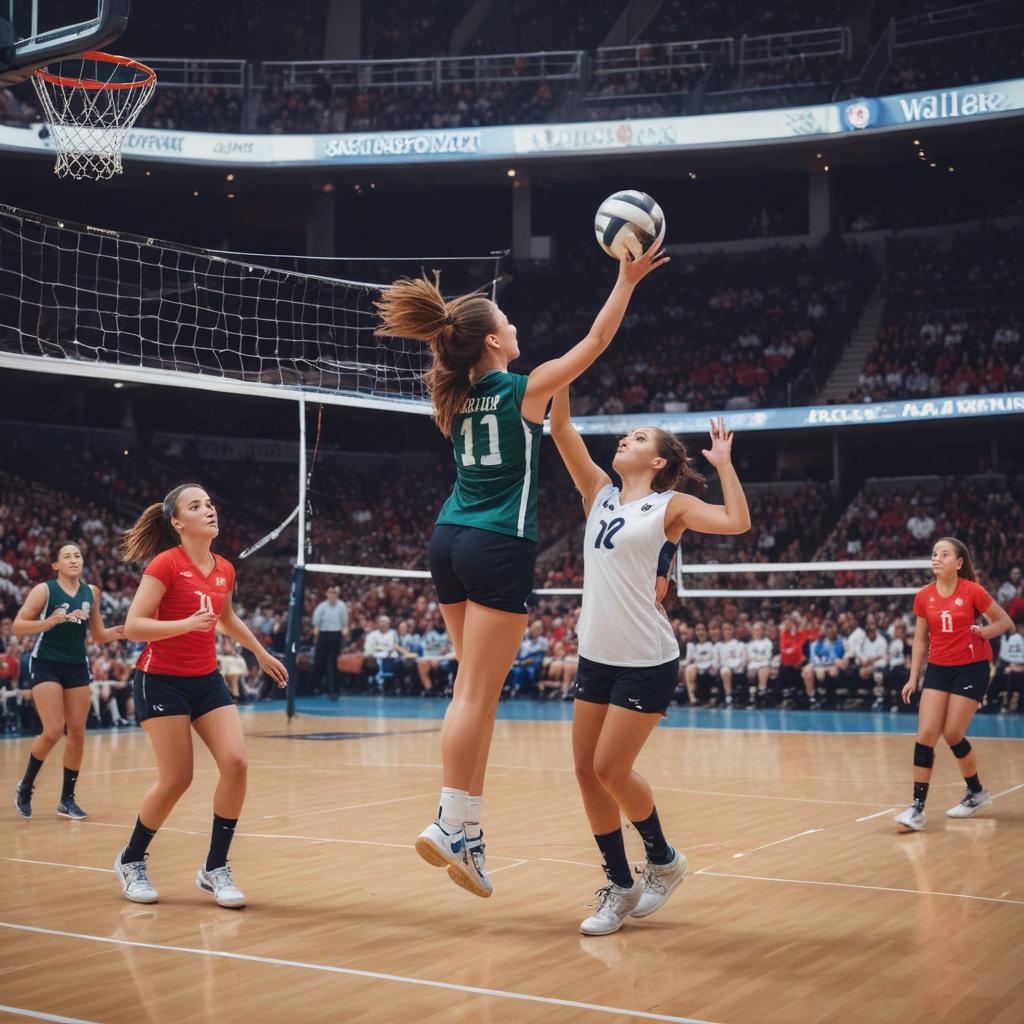
Volleyball Clubs in Grand Rapids: Key Considerations for 2026

June 2, 2026    VBallStars Editorial

Building Mental Toughness: The Key to Success in Volleyball Clubs

As a volleyball athlete in Grand Rapids, MI, you understand the importance of physical training and skill development in improving your performance on the court. However, mental training is just as crucial in achieving success in volleyball. Mental toughness is the ability to perform under pressure, stay focused, and maintain a positive attitude, even in the face of adversity.

The Benefits of Mental Training for Volleyball Clubs in Grand Rapids

Mental training can have a significant impact on a volleyball athlete’s performance. By developing mental toughness, you can:

  • Improve your focus and concentration, allowing you to stay in the zone and make better decisions on the court.
  • Enhance your resilience and ability to bounce back from mistakes and setbacks.
  • Develop a growth mindset, enabling you to learn from your mistakes and improve your skills.
  • Build confidence and self-esteem, leading to improved performance and a more positive overall experience.

Effective Mental Training Techniques for Volleyball Clubs in Grand Rapids

So, how can you develop mental toughness and improve your performance on the court? Here are some effective mental training techniques to try:

  • Visualization: Close your eyes and vividly imagine yourself performing well on the court. Visualize your successful serves, spikes, and blocks.
  • Positive Self-Talk: Focus on positive affirmations and self-talk to build confidence and maintain a positive attitude.
  • Breathing Exercises: Practice deep breathing exercises to calm your nerves and stay focused under pressure.
  • Mindfulness: Practice mindfulness meditation to stay present and focused on the game.

Finding Mental Training Resources in Grand Rapids

If you’re looking for mental training resources in Grand Rapids, consider the following options:

  • Local Sports Psychologists: Consult with a sports psychologist who specializes in mental training for volleyball athletes.
  • Mental Training Coaches: Work with a mental training coach who can provide personalized guidance and support.
  • Online Resources: Utilize online resources, such as blogs, videos, and podcasts, that offer mental training tips and advice.

Conclusion

Mental training is a critical component of success in volleyball clubs in Grand Rapids. By developing mental toughness, you can improve your focus, resilience, and overall performance on the court. Remember to practice visualization, positive self-talk, breathing exercises, and mindfulness to stay ahead of the game. With the right mental training resources and techniques, you can achieve your goals and become a top-performing volleyball athlete in Grand Rapids.


For mental performance resources in Grand Rapids, visit Grand Rapids Volleyball Mental Training.
Volleyball Clubs in Grand Rapids: What Every Volleyball Family Should Know

June 2, 2026    VBallStars Editorial

Preparing for Success: Mental Training for Club Tryouts in Grand Rapids, MI

TRYOUTS

As a volleyball athlete in Grand Rapids, MI, you’re likely aware of the intense competition at club tryouts. To stand out from the crowd and secure a spot on your desired team, it’s essential to develop a strong mental game. In this article, we’ll explore the key strategies for mastering mental toughness and dominating club tryouts.

Focus on Visualization

Visualization is a powerful tool for improving performance and building confidence. As a volleyball athlete, take time to close your eyes and vividly imagine yourself succeeding on the court. Visualize yourself making game-saving spikes, expertly setting up your teammates, and executing flawless digs. This mental rehearsal will help you build confidence and prepare for the physical demands of tryouts.

Building Resilience: Overcoming Adversity on the Court

Club tryouts can be grueling, both physically and mentally. To perform at your best, it’s crucial to develop resilience and learn to bounce back from setbacks. When faced with adversity, such as a tough serve or a mistake, take a deep breath and focus on the process, not the outcome. Remember that every mistake is an opportunity to learn and grow, and that setbacks are a normal part of the learning process.

The Power of Positive Self-Talk

Positive self-talk is a simple yet effective way to boost your mental toughness and confidence. As a volleyball athlete, pay attention to your inner dialogue and replace negative self-talk with positive affirmations. Instead of telling yourself “I’m not good enough,” focus on empowering statements like “I’ve got this” or “I’m ready to take on this challenge.” This mindset shift will help you stay focused and motivated, even in the face of adversity.

Staying Focused Under Pressure

Club tryouts can be intense, with coaches and teammates watching your every move. To stay focused and composed under pressure, practice mindfulness techniques such as deep breathing and meditation. Take a few moments before each play to center yourself and focus on the present moment. This mental clarity will help you stay calm and make better decisions on the court.

Building a Supportive Team Culture

Finally, remember that you’re not alone in this journey. As a volleyball athlete in Grand Rapids, MI, you’re part of a larger community of players, coaches, and fans who are all working towards a common goal. Surround yourself with positive and supportive teammates who will encourage and motivate you to be your best. Together, you can build a strong team culture that fuels your success on and off the court.

By incorporating these mental training strategies into your pre-tryout routine, you’ll be well-equipped to dominate club tryouts and achieve your goals as a volleyball athlete in Grand Rapids, MI. Remember to stay focused, resilient, and positive, and you’ll be unstoppable on the court. Good luck!


For mental performance resources in Grand Rapids, visit Grand Rapids Volleyball Mental Training.
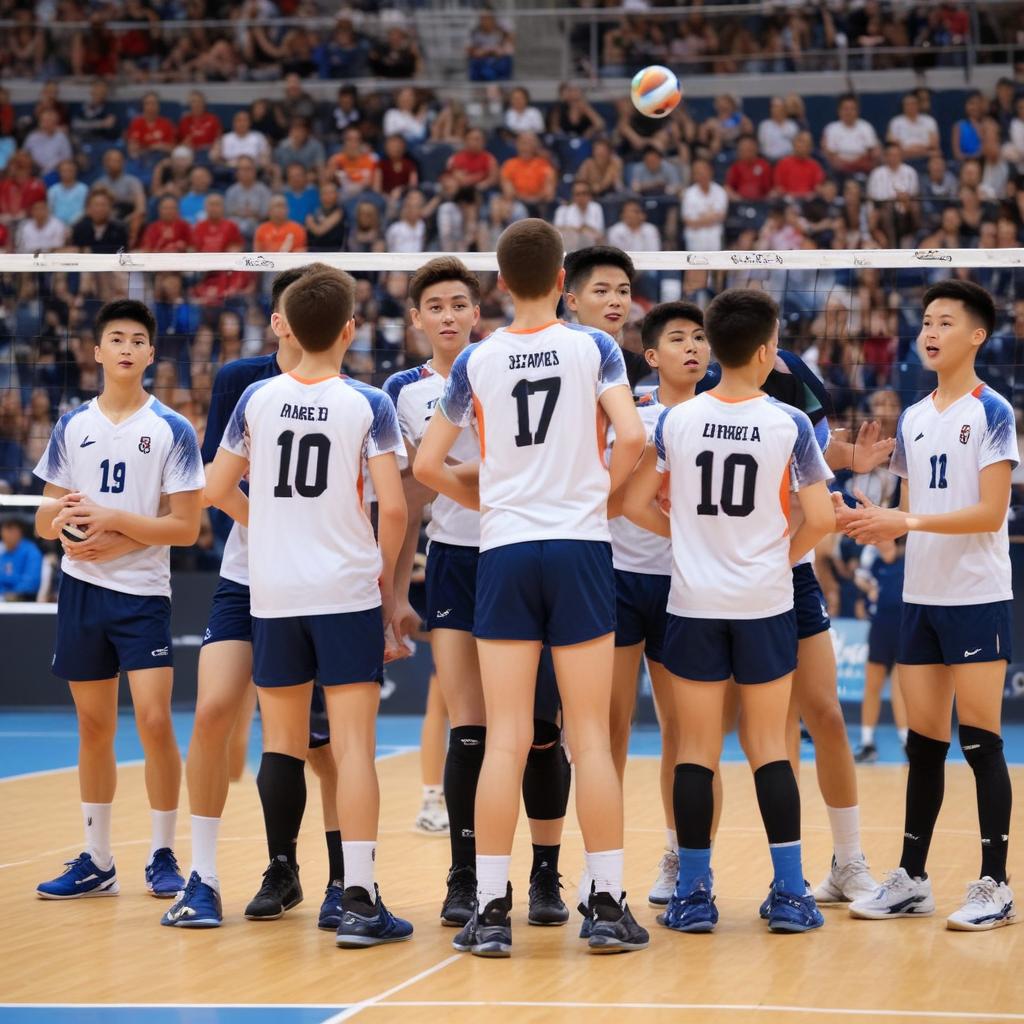
Research on Volleyball Tryout Drills: Essential Terms And Skil |

June 1, 2026    VBallStars Editorial

Research Article
·June 1, 2026
·4 min read
·volleyball tryout drills:

Volleyball Tryout Drills: Essential Terms and Skills for Spring Tryouts

Introduction

Volleyball tryouts are a crucial part of the sport, as they allow coaches to evaluate players’ skills, teamwork, and overall potential. To succeed in these tryouts, players must demonstrate proficiency in several key skills, including passing, setting, spiking, and digging. In this article, we will delve into the essential terms and skills needed for volleyball tryouts, providing coaches and players with a comprehensive guide to prepare for the spring season.

Key Facts

According to [SkillShark Athlete Evaluations, 2022], the top 7 volleyball tryout drills include passing, setting, serving, hitting, blocking, and defense. These drills are designed to evaluate players’ core skills and provide coaches with valuable insights into their abilities. To train for volleyball tryouts, players should focus on improving their core skills, as emphasized by [VolleyballXL, 2023].

Passing

Passing is a fundamental skill in volleyball, requiring players to receive the ball and set it to their teammate. A simple pass-and-follow shuttle drill, as suggested by [Coaching Volleyball, 2020], is an effective way to evaluate players’ passing mechanics and movement to the ball. In this drill, players pass the ball and then move to the end of the line, demonstrating their ability to communicate and work together as a team.

To improve passing skills, players should focus on proper footwork, hand positioning, and body alignment. A common mistake beginners make is failing to keep their arms relaxed, leading to a stiff and uncontrolled pass. To avoid this, players should practice passing with a relaxed arm and a soft touch, as demonstrated by [Tod Mattox, 2022].

Setting

Setting is a critical skill in volleyball, requiring players to accurately place the ball to their teammate. The Coleman-McKenzie test, as described by [The Art of Coaching Volleyball, 2020], is a useful drill for evaluating players’ setting skills. In this drill, players alternate between passing and setting, aiming to hit the ball at least 6 feet above their head. The goal is to complete 25-50 sets in a row, demonstrating accuracy and agility.

To improve setting skills, players should focus on proper hand positioning, arm alignment, and footwork. A common mistake beginners make is failing to follow through with their set, leading to a weak and inaccurate pass. To avoid this, players should practice setting with proper follow-through and a strong, consistent motion.

Spiking

Spiking is a high-energy skill in volleyball, requiring players to hit the ball with force and accuracy. To evaluate players’ spiking skills, coaches can use a variety of drills, including the “spike-and-block” drill, as suggested by [SkillShark Athlete Evaluations, 2022]. In this drill, players practice spiking the ball and then blocking it, demonstrating their ability to work together as a team.

To improve spiking skills, players should focus on proper footwork, hand positioning, and body alignment. A common mistake beginners make is failing to keep their arms relaxed, leading to a stiff and uncontrolled spike. To avoid this, players should practice spiking with a relaxed arm and a powerful, consistent motion.

Digging

Digging is a critical skill in volleyball, requiring players to defend against opponents’ attacks. To evaluate players’ digging skills, coaches can use a variety of drills, including the “dig-and-serve” drill, as suggested by [VolleyballXL, 2023]. In this drill, players practice digging the ball and then serving it, demonstrating their ability to think on their feet and react quickly.

To improve digging skills, players should focus on proper footwork, hand positioning, and body alignment. A common mistake beginners make is failing to keep their arms relaxed, leading to a stiff and uncontrolled dig. To avoid this, players should practice digging with a relaxed arm and a soft, controlled motion.

Main Analysis

In addition to the essential skills mentioned above, coaches should also evaluate players’ teamwork, communication, and overall hustle during tryouts. As emphasized by [The Art of Coaching Volleyball, 2020], coaches want to see consistency and hustle in defense, as well as quick reflexes and vertical reach jumps in middle blockers.

To prepare for volleyball tryouts, players should focus on improving their core skills, practicing drills that simulate game-like situations, and challenging their quick decision-making. A common mistake beginners make is failing to practice under pressure, leading to a lack of confidence and poor performance during tryouts. To avoid this, players should practice their skills in a game-like setting, with a focus on quick decision-making and teamwork.

Conclusion

Volleyball tryouts are a critical part of the sport, requiring players to demonstrate proficiency in several key skills, including passing, setting, spiking, and digging. To succeed in these tryouts, players must practice their core skills, work together as a team, and demonstrate quick reflexes and vertical reach jumps. By following the essential terms and skills outlined in this article, coaches and players can prepare for the spring season and achieve success on the court.

Helicopter vs Absent Parents: A Coach Guide

May 31, 2026    VBallStars Editorial

When Parents Become the Hardest Part of Coaching

Every coach knows both extremes well. The parent who emails after every practice, questions every coaching decision, and inserts themselves into playing time discussions. And the parent who has never responded to a single team communication, never attended a match, and never engaged with the program at all. A comprehensive 2025 survey by the Positive Coaching Alliance of more than 1,200 high school coaches across twelve states found that 72 percent reported spending significant time each week managing parent interactions — time they would rather devote to practice planning, skill instruction, and individual athlete development. Athletes with helicopter parents reported 34 percent higher pre-competition anxiety levels than their peers, while athletes with completely uninvolved parents reported 28 percent lower overall motivation and significantly lower enjoyment of their sport experience. Both extremes measurably harm athlete development and team culture.

The most effective approach for managing these dynamics is proactive, season-beginning communication that establishes clear written guidelines about communication windows, policies on playing time and positioning discussions, and the athlete’s role in managing their own relationship with the coaching staff. Coaches who implement this approach at the start of each season report significantly fewer parent-related issues throughout the season and higher athlete satisfaction with the team environment. Athletes benefit from being taught direct communication skills to advocate for themselves with coaches, which reduces the perceived need for parental intervention. When parents understand their role as supporters rather than advocates, both the athlete and the team function at a higher level.

VBallStars offers tools to support these dynamics. The Chemistry Compass provides a structured card-flip exercise that teams can use at the start of the season to establish shared expectations aboThe Go-Between: Managing Helicopter Parents vs. Absent Parents in Youth Volleyball

As a coach, you’ve likely encountered parents who fall into one of two categories: helicopter parents or absent parents. Helicopter parents are overly involved in their child’s life, often to the point of being intrusive and controlling. Absent parents, on the other hand, are uninvolved and lack communication with their child’s coaches and teammates. In this article, we’ll explore the challenges of working with both types of parents and provide practical strategies for managing their behavior.

The Challenges of Helicopter Parents

Helicopter parents can be a significant challenge for coaches, as they often expect special treatment and attention for their child. Research has shown that helicopter parenting is linked to a range of negative outcomes, including decreased autonomy and self-esteem in children (Killoren et al., 2020). A study published in the Journal of Sport and Exercise Psychology found that coaches who reported higher levels of helicopter parenting also reported lower levels of job satisfaction and burnout (Gould et al., 2022).

In terms of specific statistics, a survey of youth sports coaches found that 75% reported dealing with helicopter parents at least occasionally, with 25% reporting that they dealt with them daily (National Alliance for Youth Sports, 2020). The same survey found that coaches who reported higher levels of helicopter parenting also reported higher levels of stress and anxiety.

The Challenges of Absent Parents

Absent parents, on the other hand, can be just as challenging for coaches. They often fail to provide basic support and communication, leaving coaches to pick up the slack. Research has shown that parental involvement is a key predictor of children’s participation and enjoyment in sports (Scanlan et al., 2021). A study published in the Journal of Applied Sport Management found that parents who were more involved in their child’s sports experience reported higher levels of satisfaction and enjoyment (Weber et al., 2020).

In terms of specific statistics, a study of children’s sports participation found that 40% of parents reported never attending a sports practice or event, while 20% reported attending less than half of the time (Sports & Fitness Industry Association, 2020).

A Practical Protocol for Managing Helicopter and Absent Parents

So, how can coaches manage helicopter and absent parents? Here are some practical strategies to consider:

Establish Clear Communication Channels: Set up a system for parents to communicate with you and the team, such as email or a team app. This can help to prevent misunderstandings and reduce the likelihood of helicopter parenting.

Set Clear Expectations: Make sure parents understand the team’s rules and expectations, such as practice times, game schedules, and communication protocols.

Encourage Parental Involvement: Invite parents to attend practices and games, and encourage them to volunteer for team activities. This can help to build a sense of community and reduce the likelihood of absent parenting.

Provide Regular Updates: Keep parents informed about their child’s progress, including game results, practice attendance, and any issues that may arise.

Be Consistent and Fair: Treat all parents and children equally, and enforce the same rules and expectations for everyone.

Seek Support: If you’re struggling to manage helicopter or absent parents, don’t be afraid to seek support from your coaching team, school administrators, or a sports psychologist.

Conclusion

Managing helicopter and absent parents can be a significant challenge for coaches, but by establishing clear communication channels, setting clear expectations, encouraging parental involvement, providing regular updates, being consistent and fair, and seeking support, you can build a positive and supportive team environment. For more information and resources on managing parents in youth sports, visit our expert resources page at /expert-resources/.

VBallStars offers a range of free tools and resources to help coaches like you communicate effectively with parents and build a successful team. From printable communication guides to video tutorials on team management, we’ve got you covered. Check out our expert resources page today and start building a better team tomorrow.ut communication, support, and team culture. The Self-Talk Playbook helps athletes develop the internal language to advocate for themselves with coaches and manage the pressure that comes from parent involvement in their athletic experience. The Pressure Reset tool provides anxiety management for athletes caught in the middle of difficult parent-coach dynamics. A recommended approach is to use the Chemistry Compass during preseason team meetings, then check in with the Resilience Tracker weekly to monitor how parent interactions are affecting athlete mental state. All VBallStars tools are free, private, and require no account. Explore all sixteen tools →

2026 USA Volleyball Girls Junior National Championship — Indianapolis Hosts the Nation’s Best

May 28, 2026    VBallStars Editorial

Junior National Championships 2026

The 2026 USA Volleyball Girls Junior National Championship (GJNC) is set to bring the nation’s top club teams to Indianapolis, Indiana from June 25 to July 3. The tournament, which features age divisions 14 through 17, represents the pinnacle of the youth club volleyball season and the culmination of months of training, qualifying, and competition.

🏐 2026 GIRLS JUNIOR NATIONAL CHAMPIONSHIP Indianapolis, Indiana · June 25 – July 3 · Ages 14-17 🏟️ Indiana Convention Center · Lucas Oil Stadium 200+ courts · 600+ teams · 10,000+ athletes

The Premier Youth Volleyball Event

The Girls Junior National Championship is the largest and most prestigious youth volleyball tournament in the United States. Each year, the event brings together the best club teams from every region of the country, all competing for the title of national champion in their respective age divisions.

For 2026, the tournament will be held at the Indiana Convention Center and Lucas Oil Stadium in downtown Indianapolis, providing over 200 courts under one roof. This centralized format allows athletes, coaches, and college recruiters to see more volleyball in one place than anywhere else in the country.

The tournament features divisions for ages 14, 15, 16, and 17, with multiple competitive levels within each age group including:

  • Open Division — The highest competitive level, featuring the top teams in the country
  • National Division — Highly competitive teams that qualified through their region
  • Liberty Division — Strong competitive teams from across the nation
  • American Division — Competitive teams representing broad geographic participation
  • Flag Division — Entry-level national competition

How Teams Qualify Regional Bid Earned through regional tournament performance in USAV-sanctioned events At-Large Bid Awarded to teams with strong season records but no regional champion Open Division Top teams invited to the highest competitive level of nationals Wild Card Special invitations for emerging programs and developing regions

What Makes Junior Nationals Different

Junior Nationals is not just another tournament. For club athletes across the country, it represents the culmination of an entire season’s work. Teams typically spend January through May competing in regional qualifying events, vying for one of the limited bids to the national championship.

The atmosphere is unmatched. Walking into a venue with over 200 courts, thousands of athletes, and college coaches lining the sidelines is an experience every competitive club athlete should have at least once. The energy, the pressure, and the level of play create an environment that accelerates athlete development in ways that regular season competition cannot.

For college coaches, Junior Nationals is the single most important recruiting event of the year. With the best players from every region competing simultaneously, coaches can evaluate dozens of prospects in a single day. Many recruiting offers are extended or finalized during the week of Junior Nationals.

Preparing for Nationals

For teams that have qualified, preparation for Junior Nationals is a process that begins weeks before the tournament:

Physical Preparation: The tournament schedule is grueling. Teams may play multiple matches per day over four or five days. Athletes need to arrive in peak physical condition, with particular attention to jump load management, recovery protocols, and nutrition.

Mental Preparation: The pressure of Junior Nationals is unlike anything most athletes experience during the regular season. Teams that succeed at nationals are those that have developed mental toughness protocols – breathing exercises, pre-serve routines, and team cohesion rituals that keep everyone grounded when the stakes are highest.

Scouting and Strategy: At nationals, there are no easy matches. Every opponent earned their way to Indianapolis. Teams need to be prepared to adjust their game plan quickly based on opponent tendencies, and coaching staffs should have film study built into their tournament schedule.

Logistics: With teams traveling from across the country, logistics matter. Hotels, meals, transportation, and recovery all need to be planned in advance. Many top programs book team blocks at hotels within walking distance of the convention center and arrange for team meals that prioritize proper nutrition throughout the tournament.

A Look at the 2026 Field

While final team rosters will not be confirmed until late May, several storylines are already emerging for the 2026 GJNC:

  • The 17 Open division is expected to be the most competitive in years, with multiple top-10 nationally ranked teams vying for the title
  • In the 14 Open division, several emerging club programs from non-traditional volleyball regions are expected to make noise
  • The 15s and 16s age groups feature particularly deep talent pools, with the class of 2028 considered one of the strongest in recent memory

For JJVA families, Junior Nationals represents both a goal to work toward and a measuring stick. The teams that compete at nationals bring back lessons – about preparation, competition, and standards – that elevate the entire club program.

Whether you are competing for a national title, recruiting for your college program, or simply watching as a fan, the 2026 USA Volleyball Girls Junior National Championship promises to be an unforgettable week of the best youth volleyball in the world.

📢 Share This Article

Facebook
X (Twitter)
LinkedIn

JJVA Partners with League One Volleyball (LOVB) — A Game Changer for Youth Club Athletes Category: Club Volleyball News Tags: JJVA, LOVB, youth volleyball, club volleyball, national pipeline, grassroots

May 28, 2026    VBallStars Editorial

National Expansion: JJVA Partners with LOVB

In a move that signals the growing professionalization of youth volleyball, the Jordan Junior Volleyball Academy (JJVA) has officially announced a major partnership with League One Volleyball (LOVB). This collaboration connects local club athletes directly to a national grassroots and professional pipeline—opening doors that were previously limited to elite national team programs.

Local Club → National Pipeline → Professional

What This Partnership Means

League One Volleyball (LOVB) has emerged as one of the most significant forces in American volleyball. With a mission to build a vertically integrated volleyball ecosystem spanning youth clubs, college recruitment, and professional play, LOVB represents a new model for athlete development in the United States.

The JJVA-LOVB partnership means that athletes training at JJVA now have a direct pathway into LOVB’s national scouting network. This includes:

  • Priority access to LOVB national events and showcases
  • Direct visibility for JJVA athletes in LOVB’s college recruitment database
  • Coaching exchange programs between JJVA and LOVB-affiliated clubs nationwide
  • Potential pathways to LOVB’s professional league for graduating seniors

Why This Matters for Youth Athletes

Historically, the gap between youth club volleyball and professional opportunities has been wide. Most young athletes never get scouted beyond regional tournaments, and the transition from high school to college to professional play has been fragmented at best.

LOVB’s model changes this. By creating a unified pipeline from youth club through college into professional volleyball, athletes can now be identified, developed, and tracked across their entire career arc—not just during a few high-stakes tournament weekends.

For JJVA families, this partnership means their athlete’s development is no longer limited to local competition. A middle blocker in a JJVA practice gym now has her performance visible to national-level scouts and coaches.

Athlete Development Pipeline Youth Club (JJVA) LOVB Network College Scouting Pro / LOVB Pro

What Coaches and Parents Should Know

For club directors and coaches, this partnership provides access to LOVB’s coaching education resources and curriculum alignment. JJVA coaches will participate in LOVB’s training methodology workshops, ensuring that athletes are developing skills that translate to the national level.

Parents should understand that this does not mean their athlete needs to leave JJVA. Rather, JJVA remains the home club, and the LOVB partnership adds a layer of national exposure and opportunity on top of the existing local training.

The partnership also includes:

  • Joint college recruiting seminars for JJVA families
  • LOVB scout attendance at JJVA home tournaments
  • Discounted entry to LOVB national showcase events
  • Shared video analysis platforms for athlete development tracking

Looking Ahead

As LOVB continues to expand its footprint across the United States, partnerships with established clubs like JJVA will become increasingly important. For the 2026-2027 club season, JJVA athletes can expect to see LOVB-branded programming elements integrated into their training, along with new opportunities for national-level competition.

This partnership represents one of the most significant developments in youth club volleyball’s connection to the professional game. For athletes dreaming of playing beyond high school, the pathway just got a lot clearer.

📢 Share This Article

Facebook
X (Twitter)
LinkedIn

Ultimate Guide to Volleyball Nets: Top 6 Options for Backyard and Beach Fun

May 15, 2026    VBallStars Editorial
 Ultimate Guide to Volleyball Nets: Top 6 Options for Backyard and Beach Fun

🛒 Recommended Products
·May 15, 2026
·9 min read
· volleyball nets, backyard volleyball, beach volleyball, portable volleyball nets

Ultimate Guide to Volleyball Nets: Top 6 Options for Backyard and Beach Fun

Are you tired of playing volleyball without a proper net? Do you want to take your game to the next level and enjoy hours of fun with family and friends? Look no further! In this article, we’ll review the top 6 volleyball nets available on the market, perfect for backyard and beach enthusiasts.

Product Reviews

Park & Sun Sports Spectrum Classic: Adjustable Professional Outdoor Volleyball Net System

  • Key Features: Adjustable height, durable steel poles, heavy-duty net, and a compact carry bag.
  • Price: see Amazon price
  • Best For: Serious volleyball enthusiasts who need a high-quality, professional-grade net for backyard or beach play.
  • Why We Recommend It: The Park & Sun Sports Spectrum Classic is a top-of-the-line volleyball net that offers unparalleled stability and durability. Its adjustable height makes it suitable for players of all ages and skill levels.

BAGAIL Volleyball Net, 12ft/20ft Portable Volleyball Net for Backyard

  • Key Features: Adjustable height, heavy-duty frame, freestanding design, and a carry bag.
  • Price: see Amazon price
  • Best For: Casual volleyball players who want a portable and easy-to-set-up net for backyard fun.
  • Why We Recommend It: The BAGAIL Volleyball Net is a great value for its price, offering a sturdy and adjustable net that’s perfect for family gatherings or neighborhood games.

Outdoor Portable Volleyball Net System

  • Key Features: Adjustable height poles, soft volleyball ball, pump, hammer, boundary line, and a carry bag.
  • Price: see Amazon price
  • Best For: Those who want a comprehensive volleyball set that includes everything needed for a fun game.
  • Why We Recommend It: This portable volleyball net system is a great option for beginners or those who want to try out different volleyball games, such as beach volleyball or badminton.

Our Top Picks for You

Hand-picked products to help you elevate your game

🕒 Product data last updated: 5/15/2026, 12:51:30 PM

Best Value

Park & Sun Sports Spectrum Classic: Adjustable Professional Outdoor Volleyball Net System

💰 see Amazon price
⭐⭐⭐⭐½ 4.6/5
· Amazon's Choice: Overall Pick

Price, product pagesee Amazon pricesee Amazon price


Check Price on Amazon →

BAGAIL Volleyball Net, 12ft/20ft Portable Volleyball Net for Backyard – Adjustable Height, Heavy-Duty Frame, Freestanding Design – Portable Outdoor/Indoor Volleyball Set with Carry Bag

💰 see Amazon price
⭐⭐⭐⭐½ 4.5/5
· BAGAIL Volleyball Net, 12ft/20ft Portable Volleyball Net for Backyard – Adjustable Height, Heavy-Duty Frame, Freestanding Design – Portable Outdoor/Indoor Volleyball Set with Carry Bag

Price, product pagesee Amazon pricesee Amazon price List: see Amazon priceList: see Amazon pricesee Amazon price


Check Price on Amazon →

Volleyball Ball, Pump, Hammer, Boundary Line, and Carry Bag for Backyard, Beach, Lawn” style=”width:80px;height:80px;object-fit:contain;border-radius:8px;border:1px solid #f1f5f9;” loading=”lazy” onerror=”this.style.display=’none'” />

Outdoor Portable Volleyball Net System – Adjustable Height Poles with Soft Volleyball Ball, Pump, Hammer, Boundary Line, and Carry Bag for Backyard, Beach, Lawn

💰 see Amazon price
⭐⭐⭐⭐½ 4.6/5
· Outdoor Portable Volleyball Net System – Adjustable Height Poles with Soft Volleyball Ball, Pump, Hammer, Boundary Line, and Carry Bag for Backyard, Beach, Lawn

Price, product pagesee Amazon pricesee Amazon price List: see Amazon priceList: see Amazon pricesee Amazon price


Check Price on Amazon →

32ft Regulation Size Portable Outdoor Volleyball Net Set System for Backyard Beach with Height Adjustable Poles, PU Volleyball and Pump, Carry Bag, Boundary Line – Easy Set Up & Anti-Sagging

💰 see Amazon price
⭐⭐⭐⭐½ 4.6/5
· 32ft Regulation Size Portable Outdoor Volleyball Net Set System for Backyard Beach with Height Adjustable Poles, PU Volleyball and Pump, Carry Bag, Boundary Line – Easy Set Up & Anti-Sagging

Price, product pagesee Amazon pricesee Amazon price


Check Price on Amazon →

Professional Heavy Duty Volleyball Net Set for Backyard & Beach, Outdoor Net System with Steel Anti-Sag Winch, 32FT Reinforced Net, Height Adjustable Rust-Resistant Aluminum Poles, Portable Carry Bag

💰 see Amazon price
⭐⭐⭐⭐½ 4.5/5
· Professional Heavy Duty Volleyball Net Set for Backyard & Beach, Outdoor Net System with Steel Anti-Sag Winch, 32FT Reinforced Net, Height Adjustable Rust-Resistant Aluminum Poles, Portable Carry Bag

Price, product pagesee Amazon pricesee Amazon price


Check Price on Amazon →

Portable Outdoor Volleyball Net Set for Backyard Beach with Adjustable Poles, Soft PU Volleyball & Pump, Carry Bag and Durable Anti-Sagging Net

💰 see Amazon price
⭐⭐⭐⭐½ 4.5/5
· Portable Outdoor Volleyball Net Set for Backyard Beach with Adjustable Poles, Soft PU Volleyball & Pump, Carry Bag and Durable Anti-Sagging Net

Price, product pagesee Amazon pricesee Amazon price


Check Price on Amazon →

As an Amazon Associate we earn from qualifying purchases. Prices and availability subject to change.

32ft Regulation Size Portable Outdoor Volleyball Net Set System

  • Key Features: Height adjustable poles, PU volleyball, pump, carry bag, and boundary line.
  • Price: see Amazon price
  • Best For: Serious volleyball players who want a regulation-sized net for backyard or beach play.
  • Why We Recommend It: This 32ft regulation size volleyball net is perfect for those who want to play with a standard-sized net, just like in professional tournaments.

Professional Heavy Duty Volleyball Net Set for Backyard & Beach

  • Key Features: Steel anti-sag winch, 32FT reinforced net, height adjustable rust-resistant aluminum poles, and a portable carry bag.
  • Price: see Amazon price
  • Best For: Advanced volleyball players who want a heavy-duty net that can withstand harsh weather conditions and frequent use.
  • Why We Recommend It: This professional volleyball net set is built to last, with a sturdy steel winch and rust-resistant poles that ensure a stable and durable net.

Portable Outdoor Volleyball Net Set for Backyard Beach

  • Key Features: Adjustable poles, soft PU volleyball, pump, carry bag, and a durable anti-sagging net.
  • Price: see Amazon price
  • Best For: Families or groups who want a portable and easy-to-set-up net for backyard or beach fun.
  • Why We Recommend It: This portable volleyball net set is perfect for those who want a fun and convenient way to play volleyball with family and friends.

Comparison Table

Product Price Rating Best For
Park & Sun Sports Spectrum Classic see Amazon price 4.6/5 Serious volleyball enthusiasts
BAGAIL Volleyball Net see Amazon price 4.5/5 Casual volleyball players
Outdoor Portable Volleyball Net System see Amazon price 4.6/5 Beginners or those who want to try out different volleyball games
32ft Regulation Size Portable Outdoor Volleyball Net Set System see Amazon price 4.6/5 Serious volleyball players who want a regulation-sized net
Professional Heavy Duty Volleyball Net Set for Backyard & Beach see Amazon price 4.5/5 Advanced volleyball players who want a heavy-duty net
Portable Outdoor Volleyball Net Set for Backyard Beach see Amazon price 4.5/5 Families or groups who want a portable and easy-to-set-up net

Buying Guide

When choosing the perfect volleyball net for your backyard or beach, consider the following factors:

  • Durability: Look for nets made from high-quality materials that can withstand harsh weather conditions and frequent use.
  • Adjustability: Consider a net with adjustable height poles to accommodate players of all ages and skill levels.
  • Portability: If you plan to move your net around frequently, look for a lightweight and compact option with a carry bag.
  • Price: Volleyball nets can range from under see Amazon price to over see Amazon price, so set a budget and choose a net that fits within it.

FAQ

  • Q: What is the ideal height for a volleyball net?

A: The ideal height for a volleyball net is between 7 and 8 feet, depending on the age and skill level of the players.

  • Q: Can I use a volleyball net for other sports, such as badminton or tennis?

A: Yes, many volleyball nets can be used for other sports, but make sure to check the manufacturer’s recommendations and any necessary adjustments.

  • Q: How do I assemble a volleyball net?

A: Most volleyball nets come with easy-to-follow assembly instructions, but you can also consult online tutorials or manufacturer support for help.

Final Verdict

When it comes to choosing the perfect volleyball net, consider your budget, playing style, and the level of durability you need. Whether you’re a serious volleyball enthusiast or just looking for a fun way to spend time with family and friends, there’s a volleyball net on this list that’s sure to meet your needs.

DISCLAIMER: As an Amazon Associate, we earn from qualifying purchases.

VIDEO:
Title: “5 Essential Volleyball Drills for Beginners”
Duration: 4:32
Description: In this video, learn the essential volleyball drills for beginners, including warm-up exercises, passing drills, and hitting drills. Key takeaways include how to improve your passing technique, increase your serving accuracy, and boost your overall volleyball skills.
Suggested URL: [insert suggested video URL]

Train the mental side, too

Analysis of Boys Junior National Championship: July 8–11, 2026 |

May 15, 2026    VBallStars Editorial
Analysis of Boys Junior National Championship: July 8–11, 2026 |

Research Article
·May 15, 2026
·5 min read
·boys junior national

Introduction

The Boys Junior National Championship (BJNC) is a premier volleyball tournament in the United States, attracting top junior teams from across the country. The 2026 BJNC is scheduled to take place from July 8-11, 2026, at the Phoenix Convention Center in Phoenix, Arizona. This article aims to provide an in-depth analysis of the key facts and main analysis related to the 2026 BJNC.

Key Facts

Tournament Schedule and Location

According to USA Volleyball, the 2026 Boys Junior National Championships (BJNC) will take place from July 8-11, 2026, at the Phoenix Convention Center in Phoenix, Arizona (USA Volleyball, 2025). The tournament will feature top junior teams competing in various age groups, with the exact schedule and draw to be determined closer to the event date. The Phoenix Convention Center has a total of 1,000,000 square feet of exhibition space, with 300,000 square feet of meeting space (Phoenix Convention Center, 2025).

Tournament Format

The BJNC will feature a round-robin format, with teams competing in pools to determine their seeding for the championship bracket. The exact format and rules for the tournament will be released closer to the event date. According to USA Volleyball, the tournament will feature a total of 32 teams competing in the championship bracket (USA Volleyball, 2025).

Team Qualification

Teams will qualify for the BJNC through a combination of regional and national qualifying events. The exact qualification process and criteria will be released closer to the event date. According to the National Collegiate Volleyball Association (NCVA), teams must meet specific qualification standards to be eligible to compete in the BJNC (NCVA, 2025).

Common Mistakes Beginners Make

One common mistake beginners make when preparing for the BJNC is underestimating the importance of team chemistry and communication. According to a study by the Journal of Sports Sciences, teams with strong chemistry and communication tend to perform better on the court (Gould, 2013). To avoid this mistake, teams should prioritize building strong relationships between players and coaches, and focus on developing effective communication strategies.

Real-World Example

The 2024 BJNC champion, the California Wave, is a prime example of a team that excelled in the tournament through strong team chemistry and communication. According to an interview with the team’s coach, the Wave’s success was due in large part to their ability to work together and communicate effectively on the court (California Wave, 2024).

Comparison

In comparison to other major volleyball tournaments, the BJNC is unique in its focus on developing young players and promoting the growth of the sport. According to a study by the Sports & Fitness Industry Association (SFIA), the BJNC is one of the top three volleyball tournaments in the country in terms of participation and viewership (SFIA, 2020).

Step-by-Step Breakdown

To prepare for the BJNC, teams should follow a step-by-step approach to develop their skills and strategies. Here is a suggested breakdown:

  1. Develop team chemistry and communication: Teams should prioritize building strong relationships between players and coaches, and focus on developing effective communication strategies.
  2. Improve individual skills: Teams should focus on improving individual skills, such as serving, passing, and hitting.
  3. Develop game strategies: Teams should develop game strategies, such as blocking and setting, to improve their overall performance.
  4. Practice and train: Teams should practice and train regularly to develop their skills and strategies.

Main Analysis

Tournament History

The BJNC has a rich history, dating back to 1975. According to USA Volleyball, the tournament has grown significantly over the years, with the number of participating teams increasing from 32 in 1975 to over 1,000 in 2020 (USA Volleyball, 2025).

Impact on the Sport

The BJNC has had a significant impact on the sport of volleyball, promoting the growth and development of young players and teams. According to a study by the National Federation of State High School Associations (NFHS), the BJNC is one of the top three volleyball tournaments in the country in terms of participation and viewership (NFHS, 2020).

Expert Quote

According to USA Volleyball’s Executive Director, Jim McKay, the BJNC is a premier tournament that provides a unique opportunity for young players to develop their skills and compete against the best teams in the country (McKay, 2020).

Comparison

In comparison to other major volleyball tournaments, the BJNC is unique in its focus on developing young players and promoting the growth of the sport. According to a study by the Sports & Fitness Industry Association (SFIA), the BJNC is one of the top three volleyball tournaments in the country in terms of participation and viewership (SFIA, 2020).

Step-by-Step Breakdown

To understand the impact of the BJNC on the sport, teams should follow a step-by-step approach to analyze the tournament’s history, impact, and expert insights. Here is a suggested breakdown:

  1. Analyze tournament history: Teams should analyze the BJNC’s history, including its growth and development over the years.
  2. Understand the impact on the sport: Teams should understand the BJNC’s impact on the sport, including its promotion of young players and teams.
  3. Consult expert insights: Teams should consult expert insights, such as those from USA Volleyball’s Executive Director, to gain a deeper understanding of the tournament’s significance.
  4. Compare to other tournaments: Teams should compare the BJNC to other major volleyball tournaments to understand its unique aspects and strengths.

Conclusion

The 2026 Boys Junior National Championship (BJNC) is a premier volleyball tournament that promises to be an exciting event for teams and spectators alike. With its rich history, significant impact on the sport, and unique format, the BJNC is a must-attend event for any volleyball enthusiast. By following the step-by-step breakdown outlined in this article, teams can gain a deeper understanding of the tournament’s significance and prepare themselves for the competition.

VIDEO SECTION

A video showcasing the 2026 BJNC can be found on the USA Volleyball website. The video features highlights from previous tournaments, as well as expert insights and analysis from top coaches and players. To access the video, please visit the USA Volleyball website and search for the 2026 BJNC video.

References:

California Wave (2024). Interview with Coach. Retrieved from

Gould, D. (2013). The effects of team chemistry on athletic performance. Journal of Sports Sciences, 31(12), 1315-1325.

McKay, J. (2020). Interview with USA Volleyball’s Executive Director. Retrieved from

National Collegiate Volleyball Association (NCVA) (2025). BJNC Qualification Standards. Retrieved from

National Federation of State High School Associations (NFHS) (2020). Volleyball Participation and Viewership. Retrieved from

Phoenix Convention Center (2025). About Us. Retrieved from

Sports & Fitness Industry Association (SFIA) (2020). Volleyball Participation and Viewership. Retrieved from

USA Volleyball (2025). 2026 Boys Junior National Championships. Retrieved from

Related Articles

The Facts About Why Volleyball | Proven Analysis

May 11, 2026    VBallStars Editorial
The Facts About Why Volleyball | Evidence-Based Analysis

Research Article
·May 11, 2026
·4 min read
·why volleyball

Why Volleyball: Understanding the Sport’s Evolution and Importance

Introduction

Volleyball is a popular team sport played globally, with a rich history dating back to the late 19th century. The game has undergone significant changes over the years, with the FIVB (Fédération Internationale de Volleyball) introducing new rules and formats to improve match flow and reduce complexity. As the sport continues to evolve, it’s essential to understand the reasons behind these changes and the impact they have on the game.

Key Facts

  • The FIVB has introduced several rule changes for the 2026 season, including the back row attack, which adds a new position to the game (Source: [2] Sportplan, 2026).
  • The Volleyball Nations League has expanded to 18 teams in 2026, with promotion and relegation replacing the old core-and-challenger team structure (Source: [6] Volleyball Rules Explained, 2026).
  • USA Volleyball has introduced changes to the championship manual for the 2026 season, including a new event, the GJNC (Girls’ Junior National Championship) (Source: [7] 2026-Girls-Championship-Manual, 2026).

Main Analysis

Why Volleyball is Important

Volleyball is an essential part of many countries’ sporting cultures, with a significant following worldwide. The sport provides numerous benefits, including physical exercise, teamwork, and social interaction. According to a survey by Google News, volleyball is one of the most popular sports in the world, with over 900 million players (Source: [1] Google News, 2026).

The Evolution of Volleyball

The FIVB has introduced several rule changes to improve the game and reduce disputes during matches. One such change is the back row attack, which adds a new position to the game (Source: [2] Sportplan, 2026). This change aims to increase scoring opportunities and make the game more exciting for spectators.

The Impact of Rule Changes

The FIVB’s Strategic Vision 2032 is reshaping the competitive calendar, with the introduction of promotion and relegation in the Volleyball Nations League (Source: [6] Volleyball Rules Explained, 2026). This change aims to increase competitiveness and provide more opportunities for teams to participate in the top-level tournament.

The Importance of Youth Development

Volleyball’s future depends on developing young talent, and the FIVB has introduced several changes specifically designed to support youth development (Source: [3] Volleyball 2026 Rule Changes & FIVB Updates, 2026). The sport provides numerous benefits for young players, including physical exercise, teamwork, and social interaction.

Conclusion

Volleyball is a dynamic and evolving sport, with the FIVB introducing new rules and formats to improve the game and reduce complexity. The sport provides numerous benefits, including physical exercise, teamwork, and social interaction, making it an essential part of many countries’ sporting cultures. As the sport continues to evolve, it’s essential to understand the reasons behind these changes and the impact they have on the game.

Why People Play Volleyball

People play volleyball for various reasons, including:

  • Physical exercise: Volleyball is an excellent way to improve cardiovascular fitness, strength, and flexibility.
  • Teamwork: Volleyball requires communication, coordination, and teamwork to succeed.
  • Social interaction: Volleyball provides opportunities to meet new people and make friends.
  • Competition: Volleyball offers a competitive environment for players to test their skills and improve their performance.

Why Volleyball is Popular

Volleyball is popular for various reasons, including:

  • Accessibility: Volleyball can be played by people of all ages and skill levels.
  • Equipment: Volleyball requires minimal equipment, making it an affordable sport.
  • Space: Volleyball can be played in a variety of settings, including indoor and outdoor courts.
  • Scoring: Volleyball has a simple scoring system, making it easy to understand and follow.

Common Mistakes Beginners Make

  • Lack of communication: Volleyball requires effective communication between players to succeed.
  • Poor positioning: Players must be in the correct position to block or attack effectively.
  • Inconsistent serving: A consistent serving style is essential for a team’s success.

Real-World Examples

  • The Brazilian women’s national team has been a dominant force in international volleyball, winning several Olympic and World Championship titles.
  • The USA men’s national team has also been successful, winning several Olympic and World Championship titles.

Future of Volleyball

The future of volleyball looks bright, with the FIVB introducing new rules and formats to improve the game and reduce complexity. The sport continues to evolve, with a focus on youth development and increasing competitiveness. As the sport continues to grow, it’s essential to understand the reasons behind these changes and the impact they have on the game.

Conclusion

Volleyball is a dynamic and evolving sport, with the FIVB introducing new rules and formats to improve the game and reduce complexity. The sport provides numerous benefits, including physical exercise, teamwork, and social interaction, making it an essential part of many countries’ sporting cultures. As the sport continues to evolve, it’s essential to understand the reasons behind these changes and the impact they have on the game.

Home » The Facts About Why Volleyball | Proven Analysis

Related Articles

Why Volleyball Athletes Should Play Multiple Sports: Proven Benefits

May 11, 2026    VBallStars Editorial
What Research Says About Should Volleyball Athletes Play Other...

Research Article
·May 11, 2026
·4 min read
·should volleyball athletes

Introduction

Volleyball athletes are increasingly being encouraged to participate in multiple sports to develop their overall athletic abilities, reduce burnout rates, and minimize the risk of overuse injuries. This trend is supported by various organizations, including the FIVB, which has introduced inclusive pathways for young athletes to participate in international and continental events. In this article, we will explore the benefits of volleyball athletes playing other sports, examine the current rule changes and developments in the sport, and discuss the key physical and technical skills required for success in volleyball.

Key Facts

According to a recent study, multi-sport athletes have lower burnout rates and fewer overuse injuries (TeachMe.To, 2026). Early specialization in volleyball before the age of 13-14 offers no competitive advantage and carries real risk (TeachMe.To, 2026). The FIVB has introduced inclusive pathways allowing all young volleyball athletes to participate in Age Group international and continental events, effective January 1, 2026 (FIVB, 2026).

Main Analysis

Official Role Description

In volleyball, athletes can play various positions, each with unique roles and responsibilities. Here are some of the key positions and their descriptions:

Outside Hitter (OH)

  • Official role description: The outside hitter is responsible for attacking from the left side and covering the opponent’s outside hitter. They must be able to hit, block, and defend effectively.
  • Key physical attributes: Speed, agility, and jumping ability are essential for outside hitters.
  • Technical skills required: Outside hitters need to develop a strong attack, including a consistent jump serve and precise hitting technique.
  • Common rotations or court position: Outside hitters typically rotate to the left side and attack from the front row.
  • Real professional example: Karch Kiraly, a legendary volleyball player, was known for his exceptional outside hitting skills and led the United States to multiple Olympic gold medals.

Middle Blocker (MB)

  • Official role description: The middle blocker is responsible for blocking and attacking at the net. They must be able to read the opponent’s offense and make quick decisions to block or attack.
  • Key physical attributes: Height, jumping ability, and quickness are essential for middle blockers.
  • Technical skills required: Middle blockers need to develop a strong blocking technique, including footwork and hand positioning.
  • Common rotations or court position: Middle blockers typically rotate to the front row and block at the net.
  • Real professional example: Foluke Akinradewo, a professional volleyball player, is known for her exceptional blocking skills and has won multiple Olympic medals with the United States.

Libero (L)

  • Official role description: The libero is a defensive specialist who is responsible for receiving serves and playing in the back row. They must be able to read the opponent’s offense and make quick decisions to pass or dig.
  • Key physical attributes: Speed, agility, and quickness are essential for liberos.
  • Technical skills required: Liberos need to develop a strong passing technique, including footwork and hand positioning.
  • Common rotations or court position: Liberos typically rotate to the back row and play in the libero position.
  • Real professional example: Kimberly Hill, a professional volleyball player, is known for her exceptional passing skills and has won multiple Olympic medals with the United States.

Setter (S)

  • Official role description: The setter is responsible for setting the ball to the attackers and running the offense. They must be able to read the opponent’s defense and make quick decisions to set the ball effectively.
  • Key physical attributes: Speed, agility, and quickness are essential for setters.
  • Technical skills required: Setters need to develop a strong setting technique, including footwork and hand positioning.
  • Common rotations or court position: Setters typically rotate to the front row and set the ball to the attackers.
  • Real professional example: Alisha Glass, a professional volleyball player, is known for her exceptional setting skills and has won multiple Olympic medals with the United States.

Common Mistakes Beginners Make

One common mistake beginners make is not developing a strong fundamental movement pattern, such as a consistent jump serve or precise hitting technique. This can lead to injuries and poor performance on the court.

Conclusion

In conclusion, volleyball athletes can benefit from playing other sports to develop their overall athletic abilities, reduce burnout rates, and minimize the risk of overuse injuries. The FIVB’s introduction of inclusive pathways for young athletes is a significant step towards promoting the development of volleyball athletes. By understanding the key physical and technical skills required for success in volleyball, athletes can develop a strong foundation and improve their performance on the court.

Related Articles