·May 11, 2026
·4 min read
·should volleyball athletes
Introduction
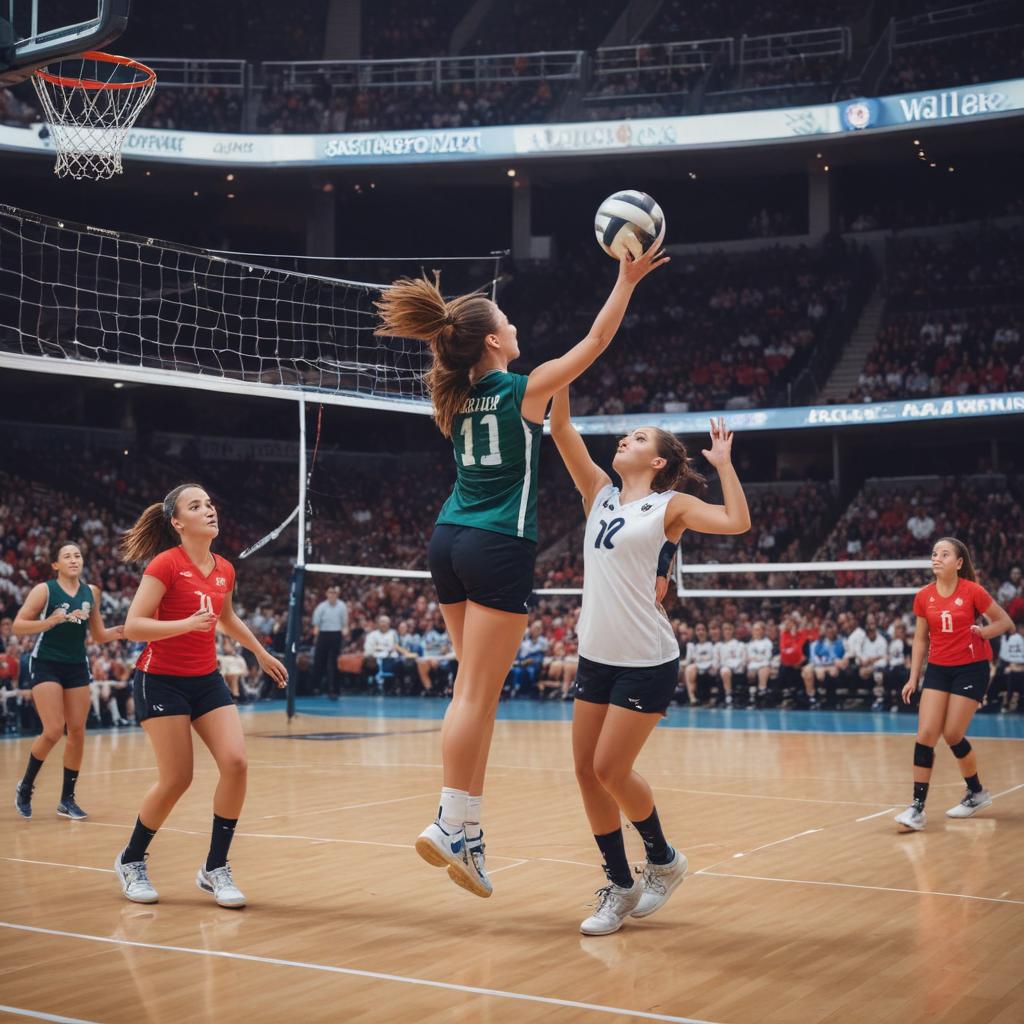
Volleyball athletes are increasingly being encouraged to participate in multiple sports to develop their overall athletic abilities, reduce burnout rates, and minimize the risk of overuse injuries. This trend is supported by various organizations, including the FIVB, which has introduced inclusive pathways for young athletes to participate in international and continental events. In this article, we will explore the benefits of volleyball athletes playing other sports, examine the current rule changes and developments in the sport, and discuss the key physical and technical skills required for success in volleyball.
Key Facts
According to a recent study, multi-sport athletes have lower burnout rates and fewer overuse injuries (TeachMe.To, 2026). Early specialization in volleyball before the age of 13-14 offers no competitive advantage and carries real risk (TeachMe.To, 2026). The FIVB has introduced inclusive pathways allowing all young volleyball athletes to participate in Age Group international and continental events, effective January 1, 2026 (FIVB, 2026).
Main Analysis
Official Role Description
In volleyball, athletes can play various positions, each with unique roles and responsibilities. Here are some of the key positions and their descriptions:
Outside Hitter (OH)
- Official role description: The outside hitter is responsible for attacking from the left side and covering the opponent’s outside hitter. They must be able to hit, block, and defend effectively.
- Key physical attributes: Speed, agility, and jumping ability are essential for outside hitters.
- Technical skills required: Outside hitters need to develop a strong attack, including a consistent jump serve and precise hitting technique.
- Common rotations or court position: Outside hitters typically rotate to the left side and attack from the front row.
- Real professional example: Karch Kiraly, a legendary volleyball player, was known for his exceptional outside hitting skills and led the United States to multiple Olympic gold medals.
Middle Blocker (MB)
- Official role description: The middle blocker is responsible for blocking and attacking at the net. They must be able to read the opponent’s offense and make quick decisions to block or attack.
- Key physical attributes: Height, jumping ability, and quickness are essential for middle blockers.
- Technical skills required: Middle blockers need to develop a strong blocking technique, including footwork and hand positioning.
- Common rotations or court position: Middle blockers typically rotate to the front row and block at the net.
- Real professional example: Foluke Akinradewo, a professional volleyball player, is known for her exceptional blocking skills and has won multiple Olympic medals with the United States.
Libero (L)
- Official role description: The libero is a defensive specialist who is responsible for receiving serves and playing in the back row. They must be able to read the opponent’s offense and make quick decisions to pass or dig.
- Key physical attributes: Speed, agility, and quickness are essential for liberos.
- Technical skills required: Liberos need to develop a strong passing technique, including footwork and hand positioning.
- Common rotations or court position: Liberos typically rotate to the back row and play in the libero position.
- Real professional example: Kimberly Hill, a professional volleyball player, is known for her exceptional passing skills and has won multiple Olympic medals with the United States.
Setter (S)
- Official role description: The setter is responsible for setting the ball to the attackers and running the offense. They must be able to read the opponent’s defense and make quick decisions to set the ball effectively.
- Key physical attributes: Speed, agility, and quickness are essential for setters.
- Technical skills required: Setters need to develop a strong setting technique, including footwork and hand positioning.
- Common rotations or court position: Setters typically rotate to the front row and set the ball to the attackers.
- Real professional example: Alisha Glass, a professional volleyball player, is known for her exceptional setting skills and has won multiple Olympic medals with the United States.
Common Mistakes Beginners Make
One common mistake beginners make is not developing a strong fundamental movement pattern, such as a consistent jump serve or precise hitting technique. This can lead to injuries and poor performance on the court.
Conclusion
In conclusion, volleyball athletes can benefit from playing other sports to develop their overall athletic abilities, reduce burnout rates, and minimize the risk of overuse injuries. The FIVB’s introduction of inclusive pathways for young athletes is a significant step towards promoting the development of volleyball athletes. By understanding the key physical and technical skills required for success in volleyball, athletes can develop a strong foundation and improve their performance on the court.
Related Articles
- Analysis of Boys Junior National Championship: July 8–11, 2026 |
- Research on Girls Junior National Championship (14–17s): June |
- The Facts About Why Volleyball | Proven Analysis
- A Comprehensive Look at Volleyball Training Equipment | Resear…
Get 1 Mental Training Drill Every Week
Free. Unsubscribe anytime.
VBallStars.com
Mental Training for Volleyball
Published by VBallStars.com — founded by a former college athlete and volleyball dad who spent nearly a decade in the gyms, watching his daughter come up through top clubs from North Texas to Atlanta, GA, and noticed the mental side was the last thing coached, if at all. Read the full story →