Club Volleyball Training Intensity: Balancing Physical and Mental Demands
Club volleyball training intensity varies significantly. Understand the psychological demands of intense training and develop strategies for sustainable performance.

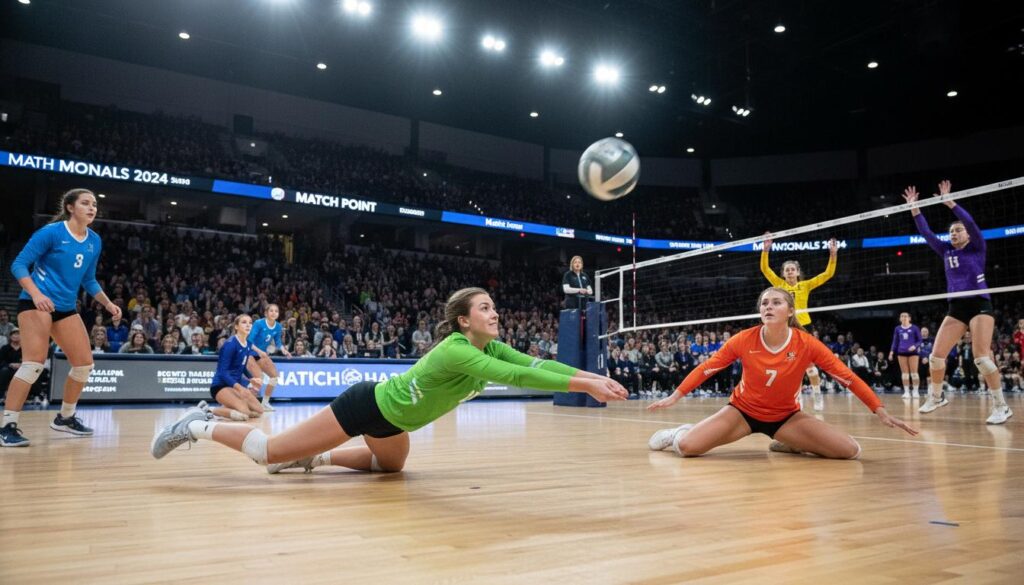
Club volleyball training intensity varies significantly across programs and competitive levels. At VBallStars, we help athletes understand the psychological demands of intense training and develop strategies for sustainable performance.
High-intensity training produces physical improvements but also creates psychological stress. Athletes must manage fatigue, maintain motivation, and prevent burnout. Mental performance skills become essential for long-term success.
Attention control training helps athletes stay focused during demanding sessions. As physical fatigue increases, maintaining mental engagement becomes challenging. Recovery psychology is equally important as physical rest—mental recovery techniques help athletes decompress between training sessions, preventing cumulative stress.
Mood tracking provides valuable insights during intense training periods. VBallStars’ PANAS-validated check-ins help athletes understand how training loads affect their emotional states. The best clubs balance training intensity with mental performance support—teaching stress management, visualization, and positive self-talk alongside physical skills. Use VBallStars’ Elite Quotient™ assessment to understand your recovery capacity. Remember that training intensity should challenge you without breaking you—mental performance skills help you navigate the fine line between productive stress and harmful overload.
Related Articles
- Expert Picks for Best Youth Volleyball Shoes – Reviews & Buyin…
- Volleyball Club Team Fees and Costs: Understanding the Investment
- Club Volleyball Travel Teams: Mental Performance on the Road
- Positional Training Volleyball Clubs: Mental Performance by Position
Get 1 Mental Training Drill Every Week
Free. Unsubscribe anytime.
Mustafa shares only what he learned works watching his daughter's volleyball journey. A volleyball dad and former athlete who built VBallStars from real experience.
More from مصطفى →Related Articles
2026 USAV Girls Junior National Championship 16-17 Results
The 2026 USA Volleyball Girls Junior National Championship for divisions 14-17 wrapped…

10 Best Volleyball Training Apps Review 2026: A Comprehensive Guide for Volleyball Athletes
10 Best Volleyball Training Apps Review 2026: A Comprehensive Guide for Volleyball…

How Sleep Affects Volleyball Performance: What Every Athlete Needs to Know
Sleep is the most underrated performance tool in volleyball. Research shows it…
Free Mental Performance Toolkit
Get 5 science-backed exercises used by Olympic athletes. Delivered to your inbox.
No spam. Unsubscribe anytime.