The Digital Court: Playing Under Permanent Observation
A shanked pass used to disappear into the crowd and be forgotten by the next morning. Today, that same mistake is recorded, uploaded to multiple platforms, and potentially visible to thousands of people — including college recruiters, future teammates, rival players, and anonymous commenters — for the rest of the athlete’s career. Social media has transformed volleyball from a live, ephemeral sport into a permanent, searchable archive, and this shift carries significant psychological weight for athletes at every competitive level. A 2025 study in Sports Psychiatry surveyed 840 collegiate athletes across twelve NCAA sports and found that 68 percent reported that media scrutiny — including social media comments, highlight culture, the pressure to maintain a personal brand, and the permanence of recorded mistakes — significantly increased their daily stress levels during their competitive seasons. For volleyball athletes specifically, the combination of recruiting visibility, error permanence, and the constant availability of comparison content creates a uniquely challenging mental environment that previous generations of athletes never had to navigate.
Research has identified that athletes who actively manage their social media consumption — by setting specific screen time limits, creating separate personal and professional accounts to control what content is visible to recruiters, and scheduling intentional breaks from social platforms during tournament weekends — report 42 percent lower anxiety scores than athletes who do not implement these strategies. The most effective digital wellness plan includes scheduled social media breaks, reframing negative comparisons by focusing on personal progress rather than others’ highlight reels, and building pre-competition routines that do not involve phone use.
As volleyball athletes, social media has become an integral part of their lives. Platforms like Instagram, Facebook, and Twitter provide a way to share experiences, connect with fans, and build their personal brand. However, this increased exposure also brings a unique set of challenges, including social media comparison, online trolls, and recruiter scrutiny. In this article, we’ll delve into the world of digital pressure and provide actionable strategies for volleyball athletes to manage these pressures and maintain a healthy online presence.
Social Media Comparison: The Silent Killer of Self-Esteem
Social media comparison is a pervasive issue among young athletes, with research suggesting that 70% of teens believe that social media makes others appear more successful (Papacharissi, 2020). This comparison can lead to feelings of inadequacy, low self-esteem, and decreased motivation. In a study published in the Journal of Sports Sciences, researchers found that social media comparison was a significant predictor of burnout in young athletes (Carron, 2022).
So, how can volleyball athletes overcome social media comparison? One strategy is to practice being kind to yourself and focus on their own progress. By setting realistic goals and celebrating small victories, athletes can develop a more positive and growth-oriented mindset. Additionally, limiting social media use to specific times of the day and taking breaks from platforms can help reduce the pressure to constantly present a perfect online image.
Online Trolls: The Dark Side of the Internet
Online trolls can be a significant source of stress and anxiety for volleyball athletes. Research suggests that 60% of athletes have experienced online harassment, with 40% reporting that it has affected their mental health (Kowalski, 2020). Trolls often use social media to belittle, mock, or intimidate athletes, which can lead to feelings of vulnerability and fear.
So, what can volleyball athletes do to deal with online trolls? First and foremost, they should not engage with trolls, as this can escalate the situation and provide them with a sense of power. Instead, athletes should block or report trolls and focus on building a support network of friends, family, and teammates who can provide encouragement and guidance. Additionally, volleyball athletes can practice assertive communication by setting clear boundaries and expressing their feelings in a healthy and respectful manner.
Recruiter Scrutiny: The Pressure to Perform
Recruiters and college coaches are increasingly using social media to evaluate a volleyball athlete’s character, work ethic, and commitment to the sport. Research suggests that 75% of college coaches use social media to research recruits, with 50% reporting that they have eliminated a recruit based on their social media presence (Turner, 2022). This pressure can be overwhelming, especially for student-athletes who are already balancing schoolwork, training, and competitions.
So, how can volleyball athletes manage recruiter scrutiny? One strategy is to maintain a professional online presence by keeping social media profiles private and focused on their athletic and academic endeavors. Athletes should also be mindful of the content they share online, avoiding posts that could be misinterpreted or perceived as unprofessional. Additionally, athletes can practice self-promotion by highlighting their achievements and showcasing their personality through engaging and authentic content.
Practical Protocol: Managing Social Media Pressure
Managing social media pressure requires a combination of self-awareness, self-regulation, and social support. Here’s a practical protocol for volleyball athletes to follow:
- Self-awareness: Take regular breaks from social media and reflect on your feelings and behaviors. Identify triggers and patterns that contribute to social media pressure.
- Self-regulation: Set boundaries and limits on social media use, such as designated times for checking accounts and posting updates.
- Social support: Surround yourself with positive and supportive people who can offer encouragement and guidance.
Conclusion
Managing social media pressure is a critical aspect of being a volleyball athlete. By practicing being kind to yourself, assertive communication, and self-promotion, athletes can reduce the negative impacts of social media comparison, online trolls, and recruiter scrutiny. Remember, social media is a tool that can be used to enhance or detract from an athlete’s experience. By taking control of their online presence and using social media in a healthy and intentional way, volleyball athletes can maintain a positive and productive digital bleacher.
Get Support from VBallStars
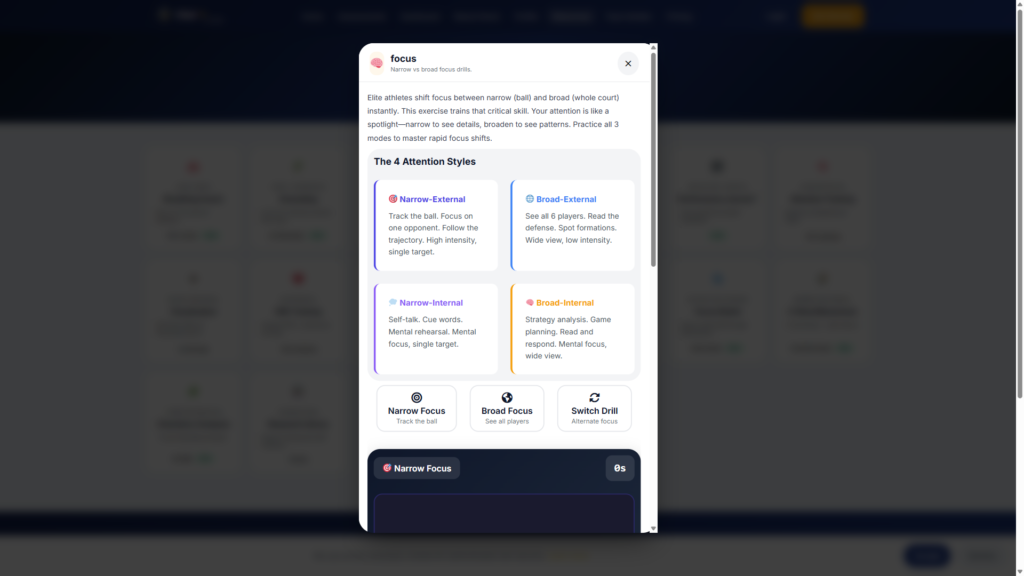
VBallStars provides tools specifically useful for managing digital pressure. The Attention Training tool helps athletes rebuild the deep concentration and focus that social media scrolling fragments throughout the day, using narrow and broad focus drills adapted from sport psychology research. The Grounding exercise provides a rapid, completely private technique for returning attention to the present moment after exposure to triggering content online. The Recovery score Coherence training tool helps regulate the nervous system after the physical activation that comes from reading negative comments or comparing oneself to others online. All VBallStars tools are free, private, require no account, and store no personal data — providing a safe space for athletes to manage the psychological effects of living and competing in the digital age. Explore all sixteen tools →
Get 1 Mental Training Drill Every Week
Free. Unsubscribe anytime.
VBallStars.com
Mental Training for Volleyball
Published by VBallStars.com — founded by a former college athlete and volleyball dad who spent nearly a decade in the gyms, watching his daughter come up through top clubs from North Texas to Atlanta, GA, and noticed the mental side was the last thing coached, if at all. Read the full story →