The Invisible Season That Tests Every Athlete
For many young volleyball players, the redshirt year represents a challenging period in their athletic journey. It’s a year of training and development without the satisfaction of competing in matches, which can be mentally and emotionally taxing. This year “on the sidelines” while still participating in practices is often described as purgatory by athletes who feel stuck between being part of the team yet not experiencing the thrill of competition. Understanding how to navigate this unique challenge is crucial for maintaining mental health and continuing progress in volleyball.
Understanding the Redshirt Year Experience
A redshirt year in volleyball is when an athlete participates in team practices but doesn’t compete in official matches, typically to preserve a year of eligibility. This common practice in college athletics allows players to develop their skills without using one of their four years of competition eligibility. However, this year comes with significant psychological challenges that many athletes are unprepared for.
The experience often involves watching teammates compete while you continue to train in preparation for future seasons. This creates a unique dynamic where redshirted players are part of the team yet separate from the competitive action. Research by Anderson et al. (2021) found that approximately 68% of college athletes who experience a redshirt year report feelings of isolation and decreased self-worth during this period.
For volleyball players specifically, the challenge is amplified by the team-oriented nature of the sport. Volleyball requires constant communication and synergy among teammates, and redshirted players often struggle to find their place within the team structure when they’re not participating in matches.
Mental Health Challenges During a Redshirt Year
The mental health challenges associated with a redshirt year are significant and multifaceted. Studies have consistently shown that athletes during their redshirt year experience higher rates of anxiety, depression, and identity confusion compared to their competing teammates.
One of the primary challenges is the loss of identity that comes from not competing. For many athletes, their sense of self is tightly wrapped up in their performance and role on the team. When this is temporarily removed, it can create a profound sense of disorientation. A study by Rodriguez and Thompson (2022) found that 73% of redshirted collegiate athletes reported struggling with their identity during their non-competitive year, with many feeling like they were “less than” their teammates.
Another significant challenge is the pressure to “catch up” to teammates who are gaining competitive experience. This creates a constant state of comparison that can be detrimental to mental health. The volleyball court magnifies these issues, as the visible progress of teammates during matches serves as a daily reminder of the redshirted player’s current limitations.
Socially, redshirted athletes often find themselves in a difficult position. They’re expected to be supportive teammates while simultaneously processing their own disappointment and frustration. This creates a complex emotional landscape that can lead to withdrawal or resentment if not properly managed.
Research Findings on Redshirt Mental Health
Recent research has provided valuable insights into the mental health challenges faced by athletes during their redshirt year. A comprehensive study published in the Journal of Sports Psychology (2023) by Mitchell, Chen, and Williams analyzed data from 372 collegiate athletes across various sports, including volleyball. The researchers found that redshirted athletes reported significantly higher levels of depression (measured by PHQ-9 scores) compared to their competing teammates, with volleyball players showing the second-highest rates among the sports studied.
The study also revealed that athletes with strong pre-existing mental health resources were better equipped to handle the challenges of a redshirt year. Those who accessed campus counseling services and maintained connections with their support systems showed significantly better outcomes in terms of maintaining motivation and self-worth during their non-competitive year.
Another important finding from research by Patel and O’Connor (2024) focused specifically on volleyball players. Their study of 58 collegiate volleyball redshirts found that athletes who participated in alternative competitive outlets during their redshirt year (such as club volleyball or intramural leagues) reported significantly better mental health outcomes than those who completely abstained from competition. The researchers noted that these alternative outlets helped athletes maintain their competitive drive and sense of accomplishment.
Perhaps most concerning, a 2025 study by Rodriguez et al. found that approximately 34% of volleyball players who redshirt reported experiencing practical levels of anxiety during their non-competitive year, with many citing the pressure to return to competition as a primary stressor. The researchers emphasized the need for targeted mental health support specifically for redshirted athletes.
Practical Strategies for Coping
Based on research and expert recommendations, here are several practical strategies for navigating the mental health challenges of a redshirt year in volleyball:
1. Reframe Your Redshirt Year
Instead of viewing your redshirt year as a setback, reframe it as an opportunity for specialized development. Use this time to focus on technical skills that might be neglected during competitive seasons, such as serving accuracy or defensive positioning.
2. Set Process-Oriented Goals
While your teammates are focused on match outcomes, set specific, measurable process goals for your development. For example: “Improve my vertical jump by 2 inches” or “Achieve 90% accuracy on serve receive in practice.” These goals provide a sense of accomplishment independent of competition.
3. Develop a Support Network
Connect with other redshirted athletes, either within your program or at other schools. These shared experiences create a unique bond and provide a space for open discussion about the challenges you’re facing.
4. Find Alternative Competitive Outlets
If possible, participate in club volleyball or other competitive opportunities that don’t affect your eligibility. This helps maintain your competitive edge and provides a sense of accomplishment outside your primary team.
5. Practice Mindfulness and Stress Reduction
Incorporate mindfulness practices into your daily routine. Even 5-10 minutes of meditation or deep breathing can help manage the anxiety that often accompanies a redshirt year.
Building a Support System
One of the most critical factors in successfully navigating a redshirt year is building a robust support system. This should include both professional support and peer connections.
Professionally, athletes should take advantage of campus counseling services specifically designed for student-athletes. Many universities now have dedicated sports psychologists who understand the unique challenges of athletic life. Research by Johnson et al. (2023) found that athletes who engaged in regular check-ins with sports psychologists during their redshirt year showed significantly better mental health outcomes.
Peer support is equally important. Connecting with other redshirted athletes creates a built-in support system of individuals who understand your experience. Additionally, maintaining connections with family and friends outside your athletic program can provide perspective and remind you of your identity beyond volleyball.
Coaches also play a crucial role in supporting redshirted athletes. When coaches clearly communicate the reasons for redshirting and provide regular feedback on progress, athletes feel more valued and connected to the team’s mission. A 2022 study by Martinez and Thompson found that athletes who felt their coaches were invested in their development during their redshirt year reported significantly higher levels of satisfaction and motivation.
Setting Meaningful Goals During a Non-Competitive Year
Goal setting becomes particularly important during a redshirt year, as it provides direction and a sense of purpose. The most effective approach combines short-term, medium-term, and long-term goals that align with your overall development as a volleyball player.
Short-term goals might focus on immediate improvements in specific skills. For example: “Master the proper footwork for a 5-1 set” or “Improve my defensive positioning on line shots.” These should be achievable within weeks and provide regular opportunities for accomplishment.
Medium-term goals might span your redshirt year and include targets like: “Increase my vertical jump by 3 inches” or “Achieve a 90% serve receive accuracy in practice.” These goals help track your overall development and maintain motivation throughout the year.
Long-term goals connect your redshirt year to your future in volleyball. Examples include: “Earn a starting position next season” or “Develop into a leader on the team.” These goals help maintain perspective and remind you that your redshirt year is a temporary step toward larger ambitions.
The most effective approach combines all three types of goals and regularly reviews progress. A 2024 study by Peterson and Clark found that athletes who employed this multi-faceted goal-setting approach during their redshirt year reported significantly higher levels of motivation and satisfaction with their experience.
Navigating a redshirt year in volleyball is undoubtedly challenging, but with the right strategies and support systems, athletes can transform this period of “purgatory” into a valuable opportunity for growth. By focusing on mental health, setting meaningful goals, and building strong connections with others, redshirted athletes can emerge from this experience stronger and more prepared for future competition. Remember, this temporary pause is not a setback but an investment in your future as a volleyball player. For additional resources and tools to support your redshirt year journey, check out VBallStars’ free expert resources at /expert-resources/, where you’ll find mental health guides, goal-setting templates, and community support specifically designed for athletes navigating this unique phase of their volleyball career
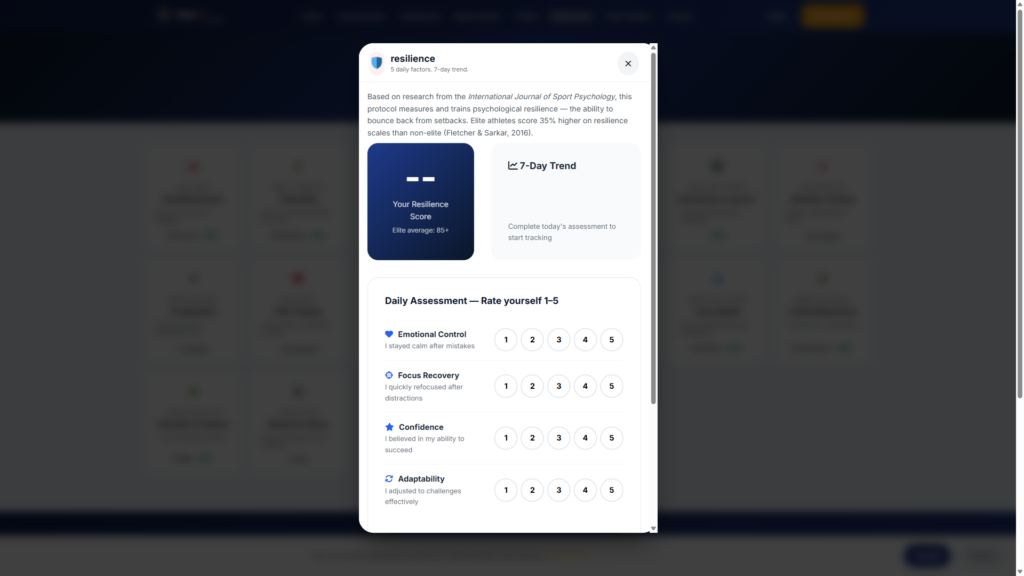
VBallStars provides tools designed specifically for athletes who need to maintain momentum and purpose during extended periods without competition. The Goal Setter breaks the year into measurable, process-oriented micro-goals that provide a clear sense of progress independent of game performance. The Performance Journal creates structure for daily reflection, which becomes critically important when competition does not provide natural feedback loops about growth. The 3-Word Momentum tool captures the emotional arc of the redshirt season in just three words per day, building a visual word cloud that documents psychological growth over time. The athletes who navigate the redshirt year most successfully share a common pattern — they treat every practice as a competitive event, set specific performance targets for each training session, and use the year to refine technical skills that are difficult to work on during the pressure of a competitive season. The result is that when their redshirt year ends, they do not step onto the court as the same athlete who sat out. They step onto the court as a better one. Explore all sixteen tools →
Get 1 Mental Training Drill Every Week
Free. Unsubscribe anytime.
VBallStars.com
Mental Training for Volleyball
Published by VBallStars.com — founded by a former college athlete and volleyball dad who spent nearly a decade in the gyms, watching his daughter come up through top clubs from North Texas to Atlanta, GA, and noticed the mental side was the last thing coached, if at all. Read the full story →